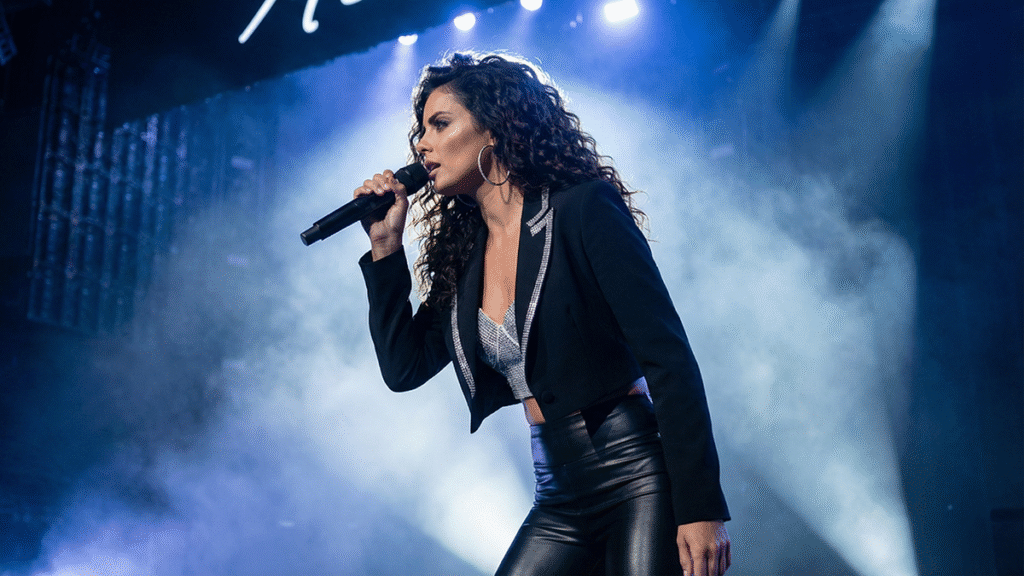
Meesha: The Pop Star Who Refuses the Script
Pop stardom used to be about the music. Now it often feels like choreography of exposure, a showing of skin, engineered desirability, a persona built more for the algorithm and less for the stage.
Over time, the industry didn’t evolve, it narrowed. The modern female pop archetype has become almost uniform, hyper-visible, hyper-styled, hyper-sexualized. Confidence is frequently packaged as provocation, and power is measured by how convincingly desirability can be performed. Even authenticity is filtered through what will trend, creating an environment where artistic identity is often shaped by external demand rather than internal truth. If you don’t play along, you risk disappearing.
Meesha doesn’t play along. She doesn’t reject femininity, but she refuses to let it be reduced to currency. She doesn’t use her image as a shortcut to attention, and she doesn’t confuse exposure with expression. Where the culture pushes artists to embrace sexuality where talent seemingly falls short, she chooses intention, creating space for a different kind of presence that feels grounded rather than reactive. Meesha is different because she respects her fans and audience.
Meesha was not an accident. She was created by us deliberately and thoughtfully as a response to a media landscape that increasingly equates value with shock and sexuality. She is not a critique from the outside, but a reimagining from within — a different blueprint that proves an artist can be compelling without relying on oversexualized imagery, and powerful without being consumed by it. That choice alone makes her disruptive. She represents a return to a time when the music and its message mattered more than sex and skin. Let’s face it: modern pop music is broken, and Meesha is exactly the kind of artist who can help lead the way toward healing it.
Quiet Defiance in a Loud Industry
Meesha’s rebellion isn’t particularly loud, but it cuts deeper than shock value ever could. She leaves the party early, drinks water because she actually cares about tomorrow, and calls her mom because connection isn’t something she outgrew on the way up.
In an industry that often rewards unraveling, she stays intact. That restraint, real restraint, not curated minimalism, is what makes her stand out. She’s not selling chaos or rebellion dressed up as freedom, but modeling control without rigidity, and softness without submission. She doesn’t need to life-spiral to be interesting, because her presence is built on something more stable than spectacle.
Dancing With Ghosts: Strength Without Performance
Her debut album, Dancing With Ghosts, doesn’t chase empowerment clichés, it sidesteps them entirely. There’s no overcompensation, no inflated declarations of independence just to prove a point. The album brings to the table something deeper, that real strength doesn’t need constant announcement, it simply holds.
Songs like Say My Name don’t demand attention, they anchor it. The message isn’t louder or sharper than everything else, it’s steadier, a quiet insistence on being seen clearly, without distortion, not rewritten, not reduced, not consumed, just named correctly. In a culture that thrives on projection, that kind of clarity feels almost radical.
Pretty Isn’t the Opposite of Powerful
One of the most subversive things Meesha does is refuse to abandon beauty in order to be taken seriously. She dresses with intention, soft fabrics, thoughtful silhouettes, and a kind of aesthetic coherence that feels personal rather than performative. None of it is engineered for approval, and the message is not look at me, but this is me.
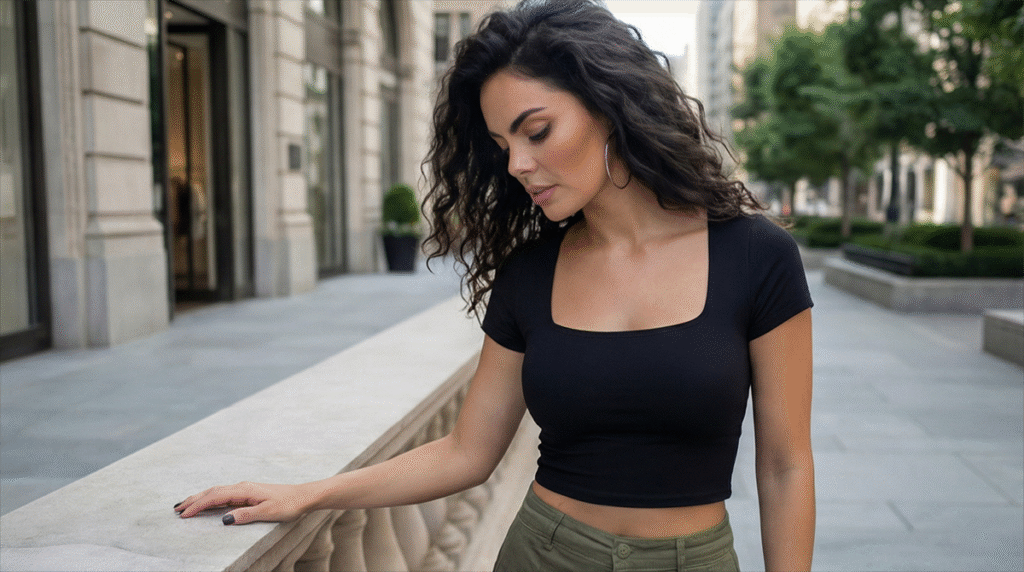
In an industry that often treats femininity as something to exaggerate or strip down, Meesha reframes it entirely. Beauty isn’t a tactic, it isn’t leverage, and it isn’t bait. It is identity, expressed on her terms, and that distinction changes everything.
A New Definition of Cool
Meesha’s version of cool doesn’t rely on excess, it relies on awareness. It looks like knowing when to leave, choosing water, texting your mom instead of your ex, and protecting your energy like it actually matters, because it does. There is no performance in it, no wink to the camera, just a quiet and unshakable sense of self that resonates precisely because it isn’t trying to.
The Future She Represents
Meesha isn’t reacting to culture, she’s redirecting it. She represents a shift away from the idea that visibility requires giving something up, whether that is privacy, stability, or wholeness. She proves that it doesn’t.
It is possible to be visible without being consumed, expressive without being exposed, and powerful without being performative. It is possible to leave early, stay grounded, be soft and still take up space, and still be the star.
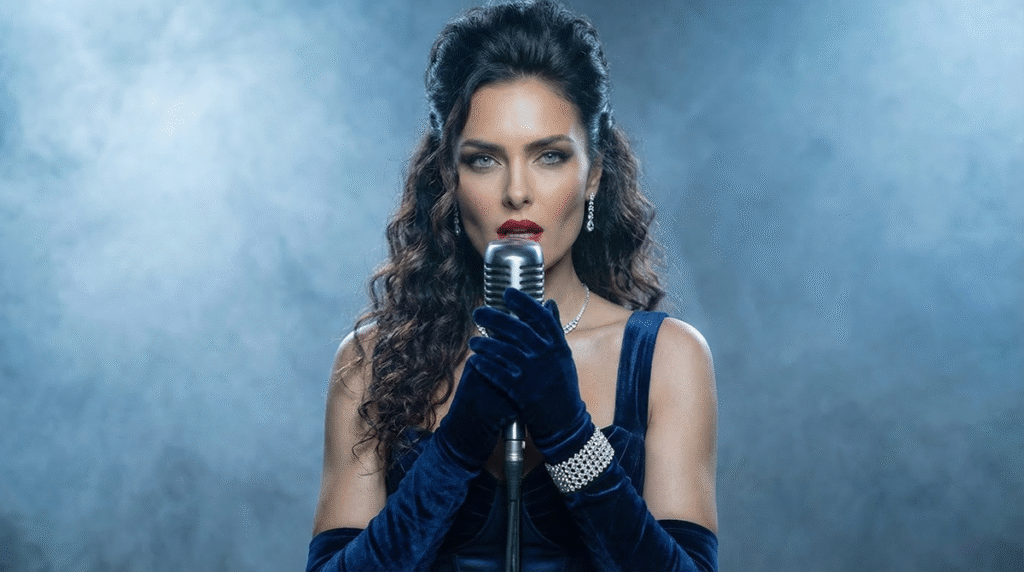
This is Meesha, not a rejection of pop culture, but a recalibration of it.
This article has been reposted from our parent company Digital Paper Dolls.